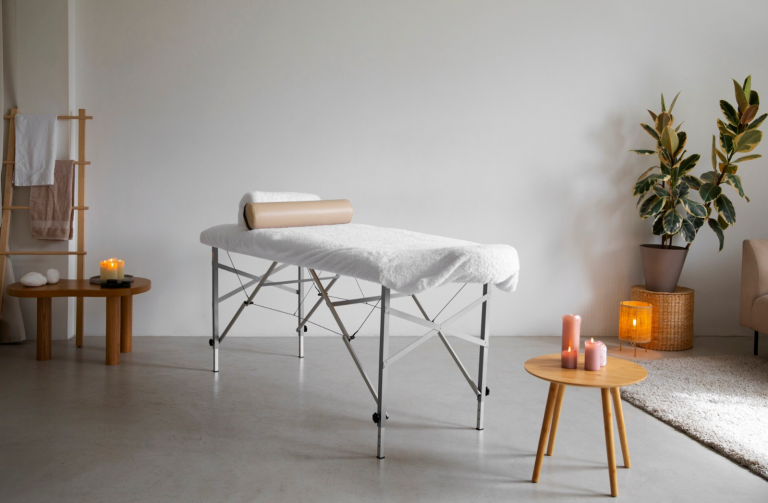
In modern therapeutic practices, portable massage tables have become an indispensable tool for professionals who value flexibility in delivering services. These tables allow practitioners to extend their reach beyond traditional clinics, bringing restorative treatments directly to clients’ homes, offices, and wellness events. A well-designed portable massage table enables therapists to maintain professional standards of comfort and stability while working in a variety of locations. This shift in delivery methods has altered the way massage therapy is experienced, making comfort, convenience, and personalisation more accessible than ever.
Advantages of Portable Massage Tables
Flexibility and Accessibility
Portable massage tables provide a level of mobility that traditional stationary tables cannot match. Lightweight and designed for easy transport, they enable therapists to visit a wide range of locations, accommodating clients with varying schedules and needs. This accessibility benefits clients who prefer sessions in familiar or private spaces and allows therapists to reach individuals who may face limitations in attending a clinic. Mobile therapy can also be particularly valuable for elderly clients, office workers, or those recovering from injuries, offering treatments without the additional stress of travel.
Economical Approach
Establishing a full-scale clinic requires a significant financial outlay, from securing premises to covering operational costs. Portable massage tables offer a practical alternative for new practitioners or freelancers. The initial investment is substantially lower, allowing funds to be allocated towards high-quality tools, professional training, or specialised products that improve treatment quality. This affordability encourages therapists to explore independent practice while still maintaining professional standards.
Space-Saving Design
Many individuals purchase portable tables for personal use, creating small home therapy setups. These tables fold neatly and can be stored without occupying excessive space, making them suitable for apartments or multi-purpose rooms. Wellness centres and spas also benefit from compact tables that can be easily moved or stored, enabling rooms to serve multiple functions without clutter. The combination of portability and foldable design ensures that massage therapy can be incorporated into spaces of almost any size.
Key Attributes of Portable Tables
Weight and Transport
A table’s weight is a significant factor for those who frequently move between locations. Aluminium and lightweight composite frames provide ease of transport while maintaining stability, although some therapists may prefer wooden tables for their solid feel. Evaluating the balance between weight and durability helps ensure that the table remains manageable without compromising safety during treatments.
Structural Integrity
Tables must withstand varying body weights and massage techniques without wobbling or sagging. High-quality construction, whether through reinforced wood or robust metal frames, contributes to long-term reliability. Joints, hinges, and leg supports must be designed to maintain stability under repeated use, safeguarding both the therapist and the client.
Adjustable Features
Adjustability improves comfort and efficiency for both parties. Many tables include height-adjustable legs and tilt options, allowing therapists to adapt positions for different massage types or client sizes. Customisable height also protects the practitioner’s posture, reducing strain and promoting more effective techniques over long sessions.
Cushioning and Upholstery
Comfort remains a priority, and padding quality directly influences the client’s experience. High-density foam that resists compression over time provides sustained support, while upholstery should withstand oils, lotions, and regular cleaning. Materials that combine comfort with durability help maintain a professional appearance and support longer-lasting use.
Advances in Table Design
Lightweight Materials
The latest models incorporate advanced materials such as carbon fibre or reinforced composites, which reduce weight without weakening the structure. This innovation makes transport easier for mobile therapists, particularly when carrying tables for multiple clients in a single day.
Environmentally Friendly Options
Sustainability is increasingly relevant in wellness industries. Many tables are now constructed using responsibly sourced wood and recyclable or biodegradable materials. Eco-conscious clients and practitioners are drawn to these options, aligning personal values with professional practice.
Ergonomic Improvements
Modern designs reflect research in human anatomy to enhance comfort and efficiency. Contoured cushioning and specially shaped facial rests help distribute pressure evenly and prevent discomfort, while overall table geometry is refined to support optimal client positioning during sessions. Ergonomic considerations not only improve the experience for clients but also reduce fatigue and strain for therapists during extended use.
Matching Table Features to Treatment Types
Different massage modalities benefit from tailored table characteristics. Sports massage requires strong, stable tables to handle intense pressure, often featuring reinforced frames and thicker padding for athletic clients. Aromatherapy sessions involve the use of oils, so tables with easily cleaned, oil-resistant surfaces are preferred. Practices like Reiki or energy work often benefit from tables with broader surfaces, allowing the therapist to move freely around the client without restriction. Recognising these differences can guide practitioners toward the right table for their specific services.
Maintaining a Portable Massage Table
Proper care extends the life of a portable table. Cleaning after each session with mild soap and disinfectants helps maintain hygiene, removing oils and lotions that can degrade materials over time. Regular inspection of joints, hinges, and screws prevents accidents or equipment failure. Storing tables in dry, temperate conditions and transporting them in protective cases reduces wear and preserves appearance, supporting longevity for both professional and personal use.
Conclusion
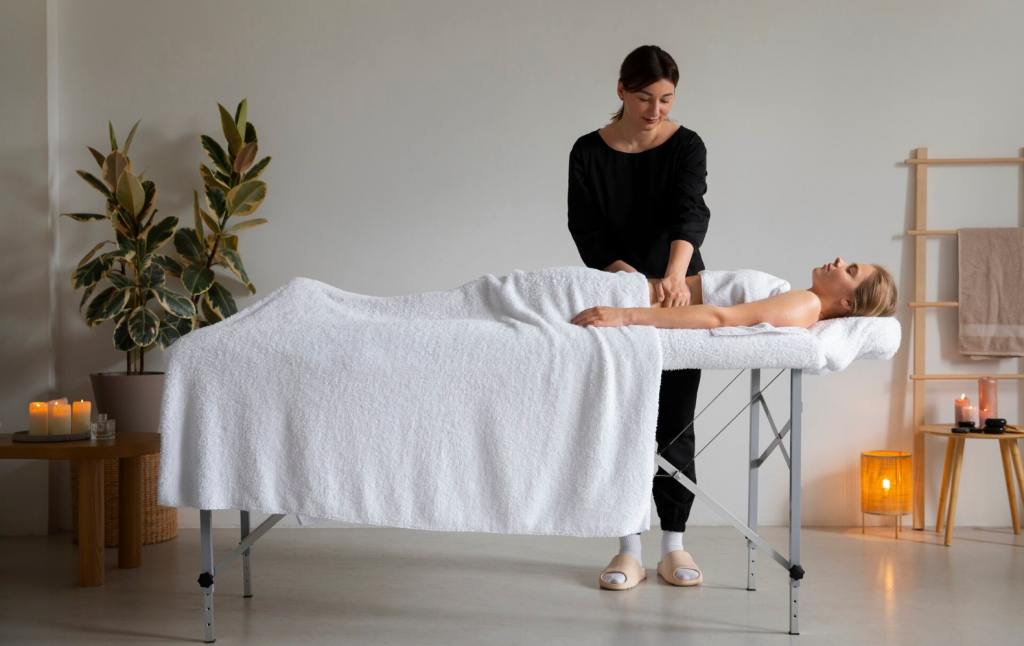
Portable massage tables have transformed how therapeutic services are delivered. By offering mobility, cost-efficiency, and adaptable design, these tables allow therapists to bring treatments directly to clients, expanding accessibility and improving convenience. Developments in lightweight materials, eco-friendly construction, and ergonomic design continue to enhance the usability and appeal of portable tables, making them suitable for a wide range of therapies and personal wellness setups. With proper selection and maintenance, both professional therapists and home users can benefit from a table that supports effective, comfortable, and flexible treatments. As demand for mobile and home-based therapy grows, portable massage tables remain a cornerstone of contemporary wellness practice, providing both practicality and quality in a single, versatile solution.