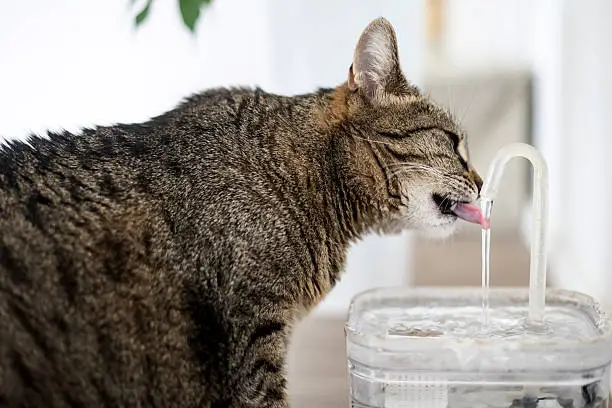
Cats often display selective behaviour with food and water. Many pet owners notice that their cats ignore a full bowl yet show interest when a tap begins to run. This pattern has prompted the rise of the cat water fountain, a device designed to provide a continuous stream of fresh water. The gentle movement of water attracts cats and encourages regular drinking. Increased water intake supports better physical health and can lower the likelihood of certain medical conditions linked to dehydration.
A water fountain for cats does more than supply drinking water. It shapes healthier habits by aligning with natural feline behaviour. The steady circulation keeps water fresh, appealing to a cat’s preference for moving sources.
Why Cats Prefer Flowing Water
Domestic cats share ancestry with desert-dwelling species. In natural environments, these animals gained a large portion of their moisture from prey. Direct water consumption played a smaller role. Modern household cats live in a different environment. Dry food diets, indoor lifestyles, and climate control have altered how they receive hydration.
Many cats respond strongly to moving water. Flowing sources appear cleaner and safer than still pools. In the wild, stagnant water often signals contamination. Flowing streams signal freshness. The cat water fountain recreates this effect indoors. The circulating system filters and refreshes the water supply, producing gentle movement that captures a cat’s attention.
Sound plays a part as well. The quiet trickling or bubbling noise attracts curiosity. Cats may approach the fountain to investigate and remain to drink. Over time, the device can shift daily behaviour, turning occasional drinking into a routine.
Different Types of Cat Water Fountains
Manufacturers offer several fountain designs suited to different households. Variations appear in materials, structure, and water flow patterns. The choice often depends on durability, hygiene, and visual preference.
Plastic Fountains
Plastic fountains remain widely available and often cost less than other options. Their lightness allows easy repositioning during cleaning or refilling. Many feature simple designs with replaceable pumps and filters.
Regular cleaning helps maintain hygiene, since plastic surfaces may collect scratches over time. These small marks can hold residue or bacteria. Owners who maintain a consistent cleaning routine often find plastic fountains practical and convenient.
Stainless Steel Fountains
Stainless steel fountains attract pet owners seeking durability and easier sanitation. The smooth surface resists scratches and does not absorb odours. This quality helps maintain a clean water supply.
Many households favour stainless steel fountains for their modern appearance. The polished surface fits comfortably within contemporary interiors. The material also tolerates frequent washing, which simplifies long-term maintenance.
Ceramic Fountains
Ceramic fountains provide a balance between functionality and visual appeal. The heavier material gives the fountain stability, reducing the chance of tipping. Decorative shapes and glazed finishes allow these fountains to blend with household décor.
Ceramic surfaces remain smooth and non-porous, which helps maintain cleanliness. Owners often choose ceramic designs when they want a fountain that doubles as a decorative piece within a living space.
Hydration and Feline Health
Water intake plays a major role in a cat’s long-term health. Dehydration can contribute to kidney strain, urinary tract infections, and the formation of bladder stones. Many cats drink small amounts throughout the day rather than consuming large volumes at once.
A fountain promotes steady hydration by keeping water appealing. The circulating system keeps oxygen moving through the water and prevents stagnation. The result is a more inviting drinking source.
Adequate hydration supports kidney function by assisting the body in filtering waste products. It also aids urinary health. Frequent urination helps flush bacteria from the urinary tract. Diluted urine lowers the concentration of minerals that form crystals or stones in the bladder.
Veterinary professionals often recommend improved hydration as part of preventive care for cats prone to urinary conditions. A fountain can assist with this effort by turning drinking into a more attractive activity.
Encouraging Healthy Drinking Habits
Convincing a cat to drink more water can challenge even experienced pet owners. Cats often show strong preferences about where and how they drink. A fountain introduces movement, sound, and freshness, which can capture a cat’s curiosity.
Placement plays a role in encouraging use. Cats prefer calm locations away from litter boxes and noisy appliances. Positioning the fountain in a quiet, familiar space may help the cat approach it with confidence.
Temperature can influence interest as well. Fresh, cool water often appeals to cats. The circulating system helps maintain a refreshing quality that differs from a bowl left standing for hours.
Cats that receive dry food may gain noticeable benefits from this change. Dry diets contain less moisture than wet food, making drinking behaviour more significant for hydration.
Advantages of Multi-Pet Homes
Households with several pets often face challenges around shared water bowls. One bowl may empty quickly, leaving animals without access until someone refills it. Water may become contaminated with food particles or fur.
A fountain helps address these concerns through continuous circulation and filtration. Many models include wide basins or several streams, allowing multiple animals to drink without crowding one spot.
Dogs, cats, and small animals often adapt well to a shared fountain. The steady supply of clean water reduces the need for constant monitoring by the owner. Pets can drink when they wish without waiting for a refill.
Maintenance and Cleaning
Regular care keeps a fountain functioning well. Circulating systems rely on pumps and filters that work best when kept clean. A weekly wash removes residue, fur, and mineral deposits.
Most fountains include removable parts that separate easily. Washing each section with mild dish soap and warm water helps maintain hygiene. A soft brush can reach narrow areas around the pump housing.
Rinsing each part thoroughly removes soap traces that might affect taste. Filters require periodic replacement according to manufacturer guidance. Fresh filters help remove impurities and maintain clear water.
Owners who follow a steady maintenance routine often find that their fountain continues operating efficiently for years.
Conclusion
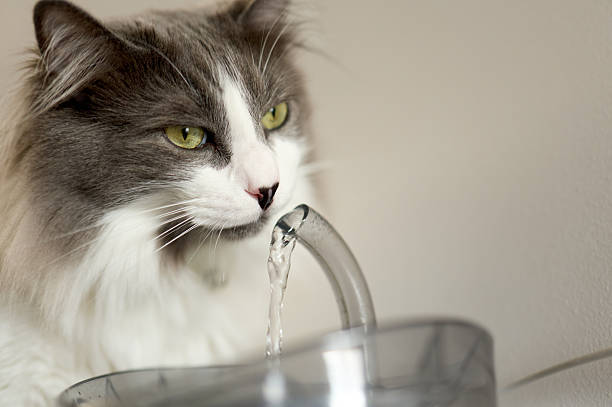
A cat water fountain offers more than a decorative addition to a home. The flowing water attracts feline curiosity and encourages regular drinking. This behaviour change supports hydration, which plays a major role in kidney and urinary health.
Different materials, such as plastic, stainless steel, and ceramic, provide options suited to varied preferences and living spaces. Each type can serve the same purpose: presenting water in a form that appeals to natural feline instincts.
The fountain proves helpful in single-pet homes and households with several animals. Continuous circulation keeps water fresh and accessible throughout the day. With proper cleaning and filter replacement, the device remains reliable and hygienic.
For many cat owners, the fountain becomes a simple yet effective way to support a pet’s well-being. Aligning with a cat’s natural attraction to moving water, it encourages a habit that benefits health across the animal’s lifetime.