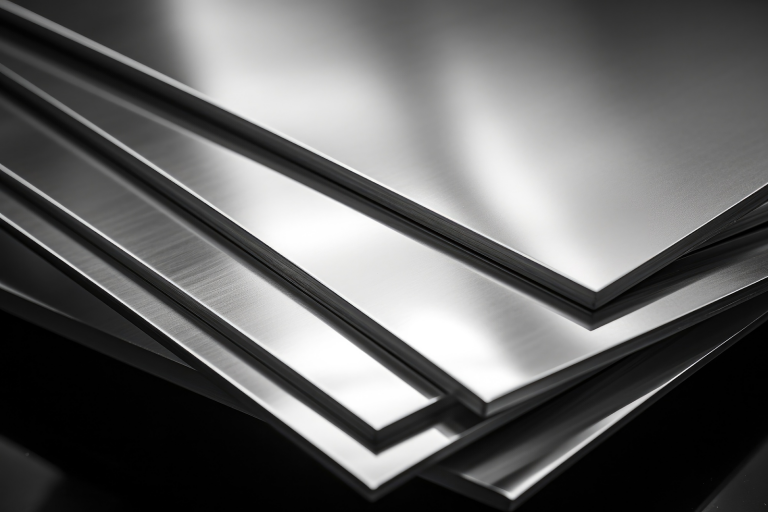
Stainless steel sheets are a critical component across a wide range of industrial and commercial applications. Stainless steel sheet selection often depends on factors such as grade, thickness, corrosion resistance, and the specific demands of the project. From manufacturing and construction to food processing and commercial kitchens, selecting the right stainless steel sheet is essential for performance, durability, and long-term cost-effectiveness. For Australian businesses, understanding the key factors in choosing stainless steel sheets ensures that projects run smoothly and materials meet the specific requirements of each application.
Understanding Stainless Steel Sheets
Stainless steel sheets are flat pieces of metal available in a variety of grades, thicknesses, and finishes. They are valued for their strength, corrosion resistance, and ability to withstand high temperatures, making them ideal for demanding environments. Common grades include 304 and 316 stainless steel, with 316 offering higher resistance to corrosion in harsh or marine environments.
Sheets come in different finishes such as mirror, brushed, or matte, which influence both aesthetics and functional performance. For industrial use, considerations such as chemical exposure, temperature fluctuations, and mechanical stress are crucial when selecting a grade and finish.
Key Factors to Consider
When buying stainless steel sheets for industrial or commercial use, there are several important factors to keep in mind. Firstly, determine the grade of stainless steel required. This decision depends on the environment and the level of corrosion resistance needed. For example, 304 grade is suitable for general use, while 316 is better for coastal areas or chemical processing facilities.
Thickness and size are equally important. Sheets must be of sufficient thickness to handle structural loads or mechanical wear without bending or deforming. Standard sheet sizes vary, but suppliers can often provide customised dimensions to suit specific project needs.
The finish of the sheet also affects performance. Brushed or textured finishes may help reduce the visibility of scratches in high-traffic areas, while polished or mirror finishes are preferred for hygienic applications such as food processing or medical facilities.
Supplier Selection
Choosing a reliable supplier is critical. Reputable suppliers ensure that stainless steel sheets meet Australian standards and are sourced from certified mills. This guarantees material quality, traceability, and compliance with regulatory requirements.
Experienced suppliers can also offer expert advice on selecting the appropriate grade, thickness, and finish for your application. They can provide guidance on cutting, fabrication, and delivery options, helping businesses avoid costly errors and project delays.
Cost Considerations
The cost of stainless steel sheets varies based on grade, thickness, finish, and quantity. While it can be tempting to opt for cheaper alternatives, compromising on quality can lead to faster deterioration, higher maintenance, or replacement costs. Investing in high-quality sheets ensures longevity, performance, and safety, ultimately providing better value over the lifespan of the product.
Additionally, working with suppliers who offer bulk pricing, flexible order quantities, and customised solutions can help businesses manage costs without sacrificing quality. Comparing multiple suppliers and requesting quotes for specific requirements is recommended before making a purchase.

Applications of Stainless Steel Sheets
Stainless steel sheets are versatile and used in a variety of applications. In construction, they are used for cladding, roofing, and structural elements. In commercial kitchens and food processing, sheets form work surfaces, countertops, and equipment panels. Industrial applications include chemical tanks, machinery, piping, and protective panels.
The right selection ensures that the sheets perform reliably under environmental stress, comply with hygiene requirements where necessary, and contribute to the safety and efficiency of operations.
Conclusion
Selecting the right stainless steel sheet for industrial or commercial use requires careful consideration of grade, thickness, finish, supplier reliability, and cost. By making informed choices, businesses in Australia can ensure that their projects meet quality standards, withstand operational demands, and provide long-term value.
Working with trusted suppliers and understanding application requirements reduces risks, improves efficiency, and supports the successful completion of industrial and commercial projects. Investing in quality stainless steel sheets is not only a practical decision but also a strategic one, ensuring durability, safety, and performance across a wide range of uses.
FAQs
How do I choose the right grade of stainless steel sheet?
The grade depends on the environment and level of corrosion resistance required, with 304 suitable for general use and 316 for harsh or marine conditions.
What thickness should I consider for industrial applications?
Thickness should match the structural or operational demands of the project to prevent bending, deformation, or wear over time.
Can stainless steel sheets be customised in size and finish?
Yes, suppliers often provide customised dimensions and finishes to meet specific project requirements.
Why is supplier reliability important?
Reliable suppliers ensure certified, high-quality materials, compliance with standards, and expert guidance, reducing the risk of project delays or material failure.