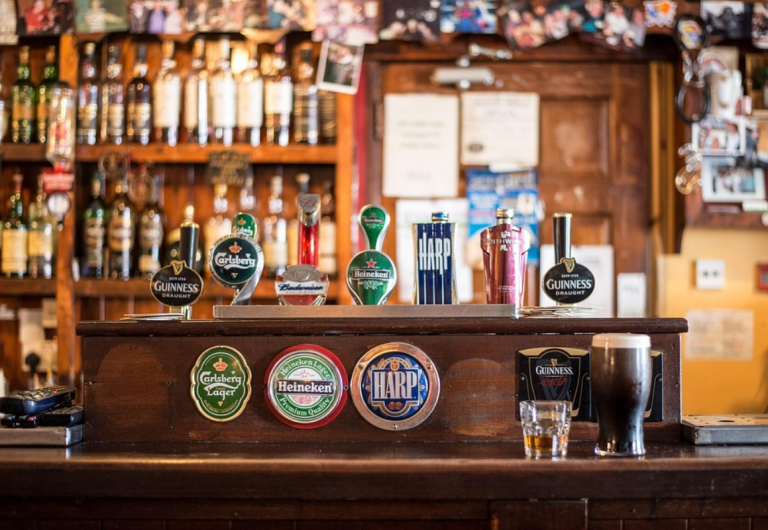
In the busy world of the beverage industry, wholesale drink suppliers play a vital role in connecting manufacturers with outlets such as hotels, restaurants, bars, and supermarkets. These suppliers ensure that beverages move efficiently through the supply chain, delivering products reliably to consumers. A wholesale drink supplier also helps businesses maintain consistent inventory levels while offering a diverse range of beverage options to meet customer demand. They serve as the essential link that keeps the beverage industry running smoothly.
The Heart of Beverage Distribution
Wholesale drink suppliers form the backbone of the beverage distribution system. They manage extensive inventories, handle logistical challenges, and oversee a wide variety of products, ranging from water and soft drinks to beer, wine, and spirits. Their operations are crucial in maintaining a steady supply of beverages, meeting the evolving tastes of consumers while adhering to the tight schedules of hospitality and retail sectors. Without their coordination, many businesses would struggle to maintain consistent product availability.
Enabling Efficient Market Access
Suppliers allow beverage brands to reach markets that might otherwise be difficult to access. By leveraging established distribution channels, they make both new and popular products available quickly and efficiently. This access not only boosts market reach but also supports local businesses by providing a diverse selection of beverages to offer customers. By simplifying market entry, suppliers help brands grow their visibility while enhancing consumer choice.
The Importance of Building Strong Relationships
Strong client relationships are essential for successful wholesale operations. Effective suppliers develop long-term partnerships by understanding the specific needs of their clients, whether they’re specialty bars seeking niche products or larger outlets requiring consistent stock. Reliability and clear communication are key factors. Suppliers must possess a deep understanding of the industry and maintain networks that ensure timely delivery and quality assurance. Well-managed relationships help minimise waste, reduce costs, and ultimately provide better availability and pricing for consumers.
Navigating Trends and Innovations
The beverage industry is constantly evolving, with consumer preferences shifting towards sustainability, health-conscious options, and craft drinks. Wholesale drink suppliers must stay attuned to these trends to adapt their inventories and strategies effectively. Many suppliers also provide market insights to help clients anticipate emerging preferences, allowing them to introduce innovative products. Those who respond quickly to trends maintain a competitive edge and continue to be relevant in an ever-changing marketplace.
Technology and Automation in Supply Chains
Technological advancements have transformed how wholesale suppliers operate. Tools like inventory management systems, automated order tracking, and optimised delivery routes improve efficiency and reduce errors. Technology also helps forecast demand more accurately, enabling suppliers to maintain optimal stock levels and reduce waste. Those who embrace automation and digital solutions can deliver services more effectively while enhancing overall productivity across the supply chain.
Ensuring Quality and Compliance
Quality assurance and regulatory compliance are essential for wholesale beverage suppliers. Adhering to standards for storage, handling, and transportation—especially for alcoholic products—ensures consumer safety and protects supplier reputations. Thorough quality checks before distribution help prevent potential health risks and maintain high industry standards. These practices reinforce trust between suppliers, businesses, and consumers, contributing to a reliable and safe supply chain.
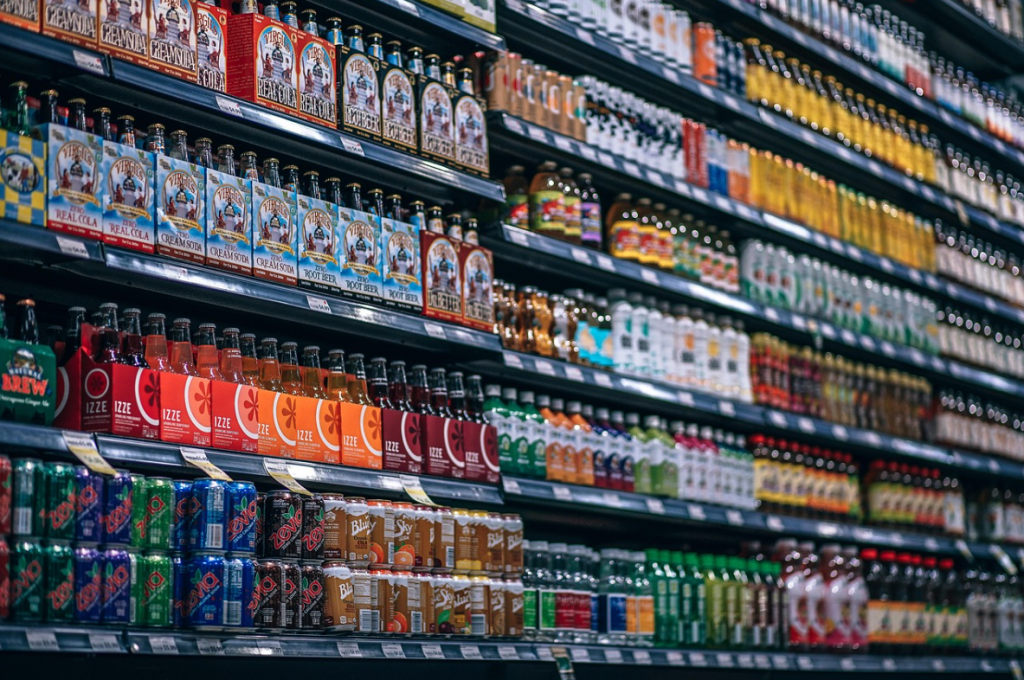
Sustainable Supply Chain Practices
Sustainability has become a priority for many wholesale suppliers. Strategies include reducing carbon emissions through optimised logistics, using energy-efficient facilities, and promoting recyclable or reusable packaging. Suppliers who adopt eco-friendly practices align with the growing demand for responsible consumption. Collaborating with environmentally conscious beverage manufacturers also reinforces a shared commitment to sustainability. These practices not only benefit the environment but also appeal to consumers who prioritise ethical purchasing decisions.
Adapting to Crises and Challenges
Recent global events have highlighted the need for flexibility and resilience in the beverage supply chain. Disruptions in production, logistics, and shifting demand patterns tested suppliers’ adaptability. Those able to implement contingency plans and agile strategies maintained the flow of beverages despite challenges. Ongoing economic changes, climate factors, and unexpected disruptions require suppliers to be proactive and versatile, ensuring consistent delivery and reliability even in uncertain conditions.
Conclusion: The Evolving Role of Wholesale Drink Suppliers
Wholesale drink suppliers are essential to the beverage industry, keeping products moving efficiently from production to consumption. Their work involves careful coordination, quality assurance, and the ability to adapt to changing trends and technologies. By combining operational expertise with market insight, suppliers enable businesses to meet consumer demand and stay competitive. Their evolving role highlights the dynamic nature of modern supply chains, emphasising the importance of efficiency, innovation, and adaptability in a fast-paced industry.