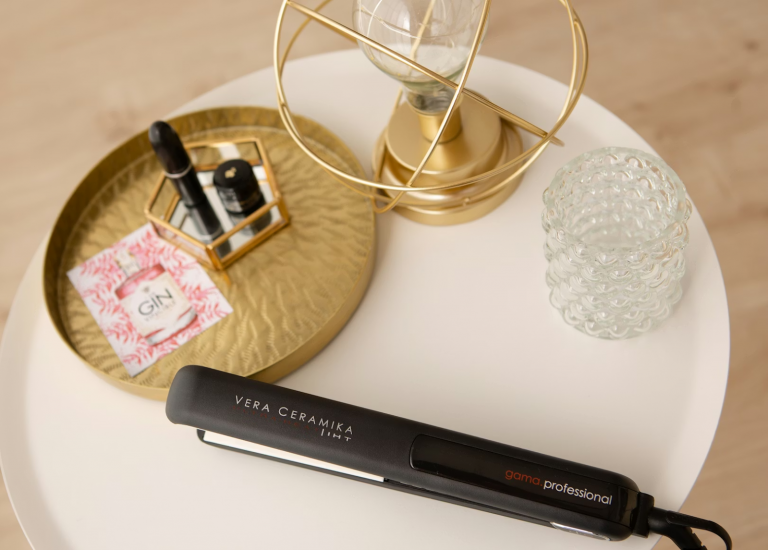
Hair straighteners have become a familiar presence in many households, used by people seeking smooth, polished, and manageable hair. These tools merge practical design with technological advancement, offering a controlled method to alter hair texture. Many individuals rely on a hair straightener to achieve sleek styles quickly while maintaining a professional and well-groomed appearance. Understanding their development, function, and effects on hair provides insight into the balance between style and care, highlighting the thought that goes into what may appear to be a simple grooming device.
The Evolution of Hair Straighteners
Hair styling has a long history, and early attempts to straighten hair were rudimentary and often harmful. Before modern innovations, heated metal rods or irons were applied directly to strands, frequently causing uneven results and hair damage due to inconsistent temperatures. The early 20th century introduced a marked improvement when Isaac K. Shero patented an iron resembling today’s flat irons. Over time, materials and mechanisms evolved, leading to ceramic plates and adjustable temperature settings. These changes increased styling efficiency while reducing hair stress, demonstrating a shift toward tools that prioritise both performance and hair preservation.
Understanding How Hair Straighteners Operate
Contemporary hair straighteners generally use plates made of ceramic, tourmaline, or titanium. Ceramic plates distribute heat evenly, reducing the likelihood of hot spots that can burn hair. Tourmaline, a mineral incorporated into plates, emits negative ions and infrared heat, which helps smooth hair cuticles and maintain moisture. Titanium plates heat rapidly and withstand high temperatures, which makes them suitable for thick or coarse hair.
The fundamental principle behind these tools involves breaking hydrogen bonds within the hair cortex. These bonds determine hair’s natural shape and texture. Heat temporarily alters these bonds, allowing hair to be reshaped. As the hair cools, the bonds reform, maintaining the new style. Repeated exposure to high heat without protective measures can lead to moisture depletion, weakening hair and reducing elasticity over time.
Choosing Plates According to Hair Type
Selecting the right type of plate can influence styling outcomes and hair health. Ceramic plates provide smooth movement through the hair, making them suitable for fine or normal hair. Tourmaline-infused plates minimise static and frizz, offering gentle care for hair that is damaged or colour-treated. Titanium plates are generally preferred by professionals or for hair that resists straightening, thanks to their durability and fast, consistent heat.
Temperature Settings and Their Importance
Adjustable temperature control allows users to match heat levels to hair type. Fine hair responds well to lower temperatures, around 120 to 148°C, which reduces stress on delicate strands. Thicker or coarse hair often requires temperatures exceeding 200°C to achieve a smooth result. Using the lowest effective temperature alongside protective sprays or serums can help maintain hair integrity while achieving the desired style.
Safety Features and Modern Innovations
Modern hair straighteners incorporate multiple safety elements to protect users. Many devices switch off automatically after a set period of inactivity, usually between 30 and 60 minutes, reducing the risk of accidental burns or fire. Heat-resistant tips or covers provide additional protection when handling hot plates, making precise styling easier. These design choices reflect a commitment to convenience and user safety alongside styling performance.
The Function of Ion Technology
Several straighteners now include ion technology, which improves hair texture and appearance. By emitting negative ions, the devices interact with positive ions in water molecules within the hair. This process reduces water particle size, allowing moisture to penetrate more deeply. Hair cuticles are smoothed, static is minimised, and strands appear soft and glossy. The result is a polished look achieved with less stress on the hair shaft.
Maintenance for Longevity
Proper care of hair straighteners extends their lifespan and maintains performance. Plates can accumulate product residue, affecting heat distribution and styling consistency. Cleaning the plates with a damp cloth when the device is cool removes build-up effectively. Storing the straightener in a dry, safe location, ideally in a heat-resistant pouch, prevents accidental damage and keeps the device in good working condition for years.
Effects on Hair Health
Regular hair straightening can create a desired appearance but requires attention to prevent damage. Excessive heat may lead to dryness, split ends, and hair breakage. Incorporating heat protection products and alternating between natural and straightened styles allows hair time to recover moisture and strength. This approach helps preserve hair’s natural texture and elasticity, balancing styling goals with long-term hair care.
Comparing Traditional and Contemporary Devices
Early straighteners focused almost entirely on delivering high heat, with limited control or protective measures. Modern tools offer precise temperature adjustments, rapid heating, and advanced plate materials that minimise strain on hair. Innovations such as ion emission and infrared heat improve styling outcomes while reducing the risk of dryness or breakage. These developments mark a significant progression from earlier models, reflecting the increasing integration of technology with personal grooming.
Conclusion
Hair straighteners have undergone considerable refinement, evolving from simple heated irons to sophisticated devices that combine efficiency, versatility, and hair care. Understanding the differences in plate materials, temperature settings, and technological features empowers users to select a tool suited to their hair type and styling needs. Awareness of proper use, safety measures, and maintenance practices helps maintain hair health and ensures long-term performance. The continuing advancement of hair straighteners illustrates the ongoing commitment to practical, effective, and considerate grooming tools, allowing individuals to achieve their preferred styles without compromising the condition of their hair.