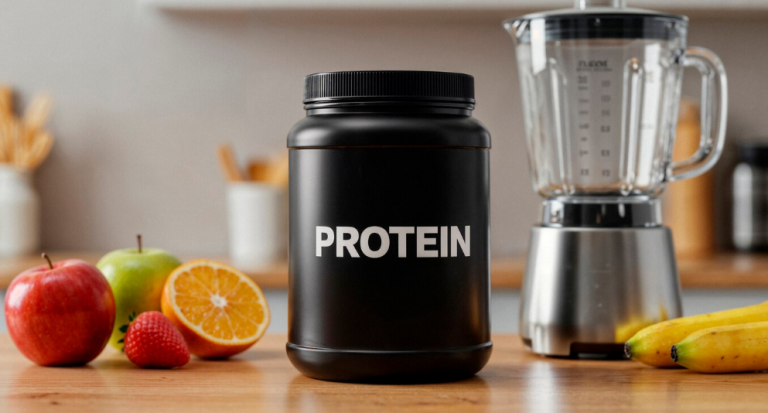
In recent years, the surge in popularity of plant-based diets has inspired a growing number of individuals to buy vegan protein powder. This trend represents part of a broader movement towards sustainable, ethical, and health-conscious eating practices. As more people explore veganism and plant-based nutrition, the demand for high-quality vegan protein sources continues to increase. One can easily find a range of options at Happy Way’s vegan protein collection, offering nutritious solutions for both seasoned vegans and those new to plant-based eating.
The Benefits of Vegan Protein Powder
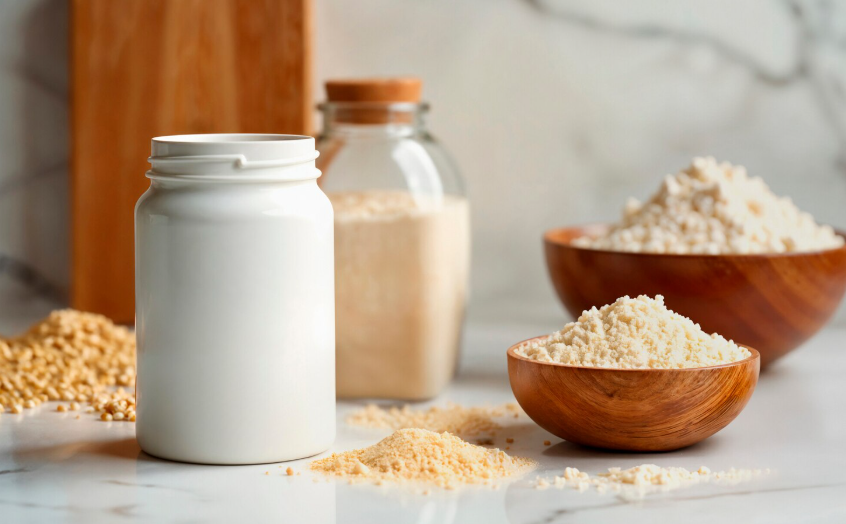
The benefits of vegan protein powder extend beyond the dietary needs of vegans and vegetarians. Unlike traditional animal-based protein powders, which can cause digestive discomfort in some individuals, plant-based protein powders often provide a gentler alternative. Derived from sources such as peas, brown rice, hemp, and soy, these powders are generally easier to digest and less likely to provoke allergies.
Moreover, plant-based protein powders offer the additional advantages of being cholesterol-free and low in saturated fat. By opting for vegan protein sources, consumers can contribute to better heart health. Additionally, many vegan protein powders are rich in essential nutrients like fibre, vitamins, and minerals, providing a more comprehensive nutritional profile.
Sustainability and Environmental Considerations
The environmental impact of food production is an increasingly important concern for consumers. One of the key reasons people choose to buy vegan protein powder is its reduced ecological footprint. The production of plant-based proteins typically requires fewer water and land resources compared to animal-derived proteins. Furthermore, vegan protein production results in significantly lower greenhouse gas emissions, making it a more sustainable choice for the environmentally conscious.
By supporting plant-based protein alternatives, individuals can play a part in reducing the overall demand for resource-intensive agricultural practices. As more people recognise the environmental impact of their dietary choices, the shift towards vegan protein powders reflects a growing awareness and dedication to preserving the planet for future generations.
The Science Behind Vegan Protein Powders
Plant-based protein powders are a rich source of essential amino acids, which are critical for muscle repair and growth. Although some sceptics argue that plant proteins are inferior to animal proteins, research has demonstrated that when consumed in appropriate combinations, plant-based proteins can provide all the necessary amino acids required for a balanced diet.
For instance, combining different plant protein sources can create a complete protein profile. Pea and brown rice proteins, when used together, complement each other’s amino acid profiles, ensuring that all essential amino acids are present. As a result, athletes and fitness enthusiasts can confidently use vegan protein powders to support their training and recovery needs without compromising nutritional quality.
Navigating the Market: Choosing the Right Vegan Protein Powder
As the market for vegan protein powders expands, consumers are faced with an array of choices, each boasting unique ingredients and nutritional claims. Understanding the differences between various plant-based protein sources and formulations is crucial in selecting a product that aligns with one’s dietary preferences and fitness goals.
Shoppers should consider factors such as protein content, additional nutrients, and any allergens present in the formulation. Some vegan protein powders include added superfoods or adaptogens, which may offer additional health benefits. It is also wise to examine the ingredient list for artificial additives, sweeteners, or preservatives, as these can often detract from the overall nutritional quality of the product.
How to Incorporate Vegan Protein Powder into Your Diet
Integrating vegan protein powder into one’s daily routine is convenient and versatile. The simplest method is blending it into smoothies or shakes, providing a quick and nutritious meal or snack. Vegan protein powder can also be used in baking recipes, such as protein bars, pancakes, or muffins, to enhance their nutritional content without compromising on taste.
For those who enjoy cooking, vegan protein powder can be incorporated into savoury recipes, such as soups and sauces, adding a protein boost to meals. As many vegan protein powders are flavour-neutral, they blend seamlessly into both sweet and savoury dishes, making them a flexible addition to any diet.
Addressing Common Misconceptions
Despite the growing popularity of vegan protein powders, misconceptions around their efficacy and nutritional value persist. A common myth is that plant-based proteins are inherently inferior to their animal-based counterparts. However, when appropriately combined, plant proteins can offer comprehensive amino acid profiles, as previously discussed.
Another misconception is that vegan protein powders are only suitable for vegans or vegetarians. In reality, anyone can benefit from incorporating plant-based proteins into their diet, whether for health reasons, ethical beliefs, or environmental considerations. The versatility and nutritional advantages of vegan protein powders make them a valuable addition to any dietary pattern.
Anticipating Future Trends
As innovation in food technology advances, the future of vegan protein powders promises exciting developments. Companies are continually exploring new plant sources and refining processing techniques to improve texture, flavour, and nutrient content. As consumer demand continues to grow, the market will likely expand with a wider variety of products tailored to meet diverse dietary needs and preferences.
In addition, the integration of sustainable packaging and eco-friendly production practices in the vegan protein industry is expected to gain momentum. Consumers can look forward to seeing more brands prioritise environmental sustainability alongside nutritional quality.
Conclusion
The decision to buy vegan protein powder represents a commitment to health, ethics, and the environment. With numerous benefits, including better digestion, comprehensive nutrition, and sustainability, vegan protein powders have secured their place in the world of modern nutrition. As awareness grows, these products are poised to become a staple for a diverse range of consumers, redefining how we perceive and utilise protein sources.