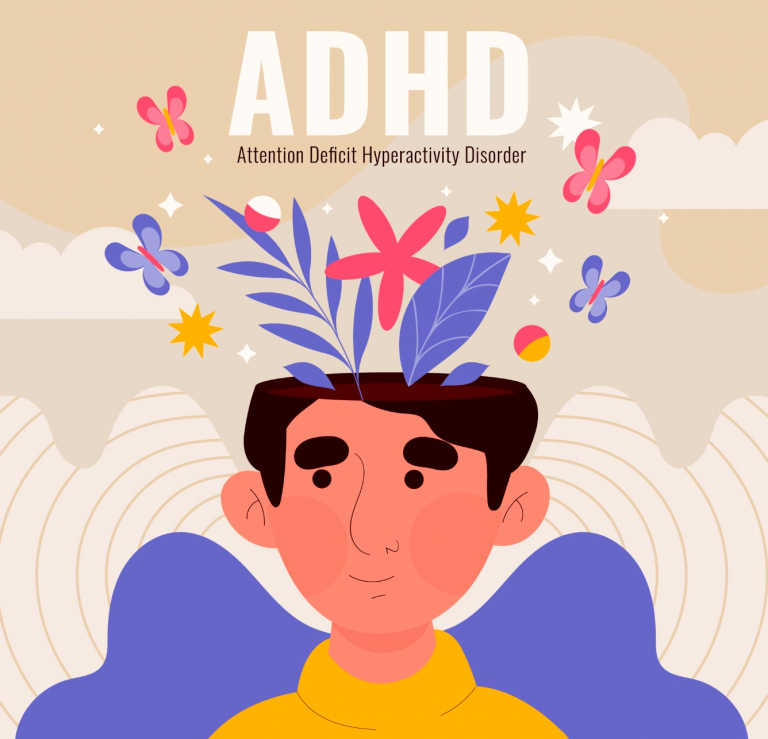
ADHD, or Attention Deficit Hyperactivity Disorder, affects many individuals and families. Finding the right support and treatment is crucial for managing the condition effectively. Executive Brain Mastery aims to provide insights into various options available for ADHD treatment. Below is a curated list of ten service categories that can help individuals cope with ADHD.
1. Behavioural Therapy
Behavioural therapy is one of the most effective treatments for ADHD. This approach focuses on modifying specific behaviours to improve functioning and reduce disruptive behaviours. Practitioners often use techniques such as positive reinforcement and structured routines to help children and adults manage their symptoms. For comprehensive and tailored ADHD treatment, consider exploring Executive Brain Mastery for effective ADHD therapy options.
2. Medication Management
Medication is a common approach in managing ADHD symptoms; Healthcare professionals may prescribe stimulant medications, such as methylphenidate, or non-stimulant options. These medications can help improve concentration and reduce impulsivity. Regular follow-ups with a psychiatrist or general practitioner are essential to monitor effectiveness and adjust dosages.
3. Psychoeducation
Psychoeducation involves educating patients and their families about ADHD. This service helps individuals understand the condition, its symptoms, and the various coping strategies available. Many organisations offer workshops and seminars aimed at increasing awareness and knowledge about ADHD, enabling families to support their loved ones better.
4. Occupational Therapy
Occupational therapy can assist individuals with ADHD in developing skills necessary for daily living. Occupational therapists work with clients to enhance their organisational skills, sensory processing, and social interactions. This therapy can be particularly beneficial for children in school settings, helping them navigate challenges they may face in the classroom.
5. Speech and Language Therapy
For some individuals with ADHD, communication difficulties may accompany their condition. Speech and language therapy can enhance communication skills and social interaction. Speech therapists work with clients to improve their expressive language, comprehension, and social skills, making it easier for them to engage with peers and adults.
6. Parent Training Programs
Parent training programmes are designed to educate caregivers on effective strategies for managing ADHD behaviours. These available programmes focus on behaviour modification techniques, communication strategies, and stress management for parents. By empowering parents with knowledge and skills, these programmes aim to create a supportive home environment for children with ADHD.
7. Support Groups
Support groups provide a valuable space for individuals and families affected by ADHD to connect and share experiences; various organisations offer support groups that foster a sense of community and understanding. Participants can exchange practical tips, emotional support, and resources while learning from one another’s journeys.
8. Cognitive Behavioural Therapy (CBT)
Cognitive Behavioural Therapy is an effective treatment option for ADHD, focusing on changing negative thought patterns and behaviours. CBT practitioners help clients identify and challenge unhelpful beliefs, develop coping strategies, and improve problem-solving skills. This therapy can be particularly effective for older children and adults with ADHD.
9. Academic Support Services
Academic support services, such as tutoring and coaching, are essential for children with ADHD who may struggle in traditional learning environments. Various educational centres offer tailored tutoring sessions that cater to individual learning styles and needs. These services can help improve academic performance and build confidence in students with ADHD.
10. Mindfulness and Relaxation Techniques
Mindfulness and relaxation techniques, such as meditation and yoga, have gained popularity as complementary treatments for ADHD. Many wellness centres offer classes that teach these techniques to help individuals manage stress and improve focus. Practising mindfulness can enhance emotional regulation and promote a sense of calm, making it a valuable addition to traditional ADHD treatment options.

In conclusion, understanding the various ADHD treatment options available helps individuals and families make informed decisions. From behavioural therapy to academic support services, a wide range of resources can assist in managing ADHD effectively. At [Website Name], we encourage you to explore these options to find the most suitable solutions for your needs.